
Woodson and the Fabricated Confession
The Brass VerdictThis thread revisits Haller’s formative defense victory, showing how a jailhouse lie becomes leverage without erasing the client’s guilt.
increasing Bearing strength in each event
 decreasing
Bearing strength in each eventdecreasingA Death-Penalty Case
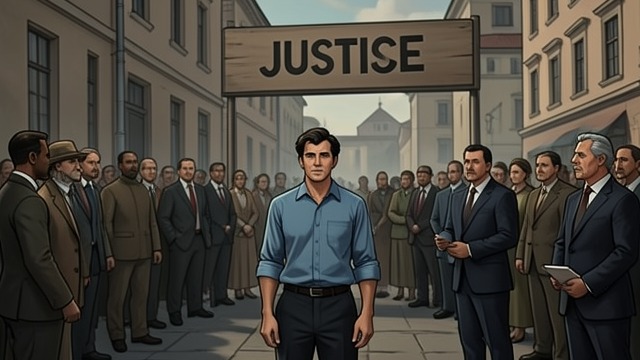
Woodson on Trial
A public outrage
Barnett Woodson is accused of killing two college students and sinking their bodies in Hollywood Reservoir. The case carries intense racial and public pressure, and prosecutors seek the death penalty.
A fragile prosecution
The evidence is largely circumstantial, with jailhouse informant Ronald Torrance claiming that Woodson confessed. Haller sees a witness whose incentives and access to discovery deserve close scrutiny.
The Long Cross
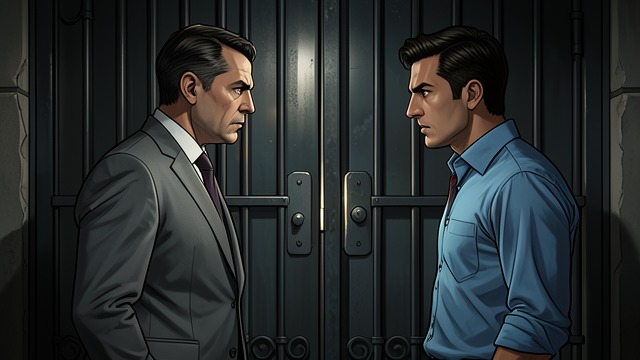
Letting the Witness Talk
Incentives and credibility
Haller asks about Torrance’s criminal exposure and potential benefits, then presses him to repeat the supposed confession in his own words. He avoids interrupting the lie too early.
A crucial detail
Torrance says Woodson described killing two Black men. The victims in the actual case were white, creating a contradiction Haller can use to expose the story’s source.
The Orange Folder

Discovery on the Stand
A staged test
Haller places Woodson’s orange discovery file before Torrance. Torrance admits he saw Woodson with it, then cannot read the documents inside.
The photograph contradiction
The file’s photographs show two Black victims, matching Torrance’s invented description rather than the actual killings. Haller establishes that the witness could have obtained details from the file and never received a real confession.
A Deal Instead of Death
The State Retreats
The lie collapses
Jerry Vincent asks for a recess after Haller exposes the false testimony. The death penalty is dropped, and a negotiated sentence becomes possible.
Haller refuses the easy bargain
Vincent offers a severe sentence and hints at mutual professional benefit. Haller refuses to sacrifice his client’s interests merely to protect the prosecutor’s career.
A Victory Without Innocence

The Cost of the Verdict
The client walks
Haller obtains an acquittal, but Woodson later admits he killed the two victims and mocks the outcome. The legal victory does not establish moral innocence.
A career begins
Vincent’s failed prosecution helps redirect him into defense work, while Haller’s success becomes a defining professional story. Woodson himself is killed in a drive-by soon after leaving court.
1992, the fourth day of trial
During Haller’s cross-examination of Torrance
Near the end of the cross-examination
Immediately after the trial recess
After the 1992 trial
